The newsroom · 1986 to now
Forty years of bylines.
A schoolboy promised himself he would write for the Illustrated Weekly. He did, then spent four decades moving from the page to the studio to the editor's chair, and finally to a newsroom of his own.
Four desks
The page, the studio, the chair, and his own masthead.
The reporter
He started where he had promised himself he would: in print.
- 1986First byline in the Illustrated Weekly, the magazine a schoolboy had resolved in 1977 to write forEenadu
- Early yearsReporter and writer with the Indian Express and Times of India groupshis blog
- UndatedRan ANALYSIS, a Telugu news magazineIndia Current Affairs
- Across decadesBylines in The Hindu, The Times of India and The Economic Times; by his own list also Deccan Chronicle, Frontline, Outlook, EPW and The PioneerThe Weekhis blog
The anchor
Then the newsroom moved to the studio, and so did he.
- UndatedEditor-in-chief, HMTVOsmania University
- 16 Mar 2013Founder-chairman of 10TV, on its launch dayWikipedia
- Over the yearsA guest on national channels including NDTV, CNN-IBN, Aaj Tak and Al Jazeera, by his own listhis blog
The editor
In the chair, his daily editorials became the record of their time.
- c. 2010 to 2012Chief editor, indiacurrentaffairs.orgIndia Current Affairs
- c. 2014 to 2017Editor, The Hans IndiaThe Hans India
- 2016 and 2017Two books grew from that writing: Interpreting Contemporary India and How to Win at LifeGoogle BooksGoogle Books
The publisher
Today the masthead carries his own name.
- 2019 onwardColumns for Telugu360, NewsMeter and The South FirstNewsMeterThe South First
- Since 2016His YouTube channel, @ProfKNageshwar, now his largest classroomYouTube
- 2026Chief editor of ProfessorN.in, a news site he owns and funds himselfProfessorN.in
Dates are given as precisely as the public record allows; "c." marks an approximate year.
The style sheet
The promises his own newsroom makes.
ProfessorN.in publishes its standards for anyone to hold it to. ProfessorN.in
- 01The why, not only the whatEvery story promises the reasoning behind the news, not just the headline.
- 02Who owns it, in publicThe site says who owns and funds it, on its own pages.
- 03Corrections, on the recordA published corrections policy for when a story needs fixing.
- 04Every article, read aloudEach piece can be heard as well as read, for those who would rather listen.
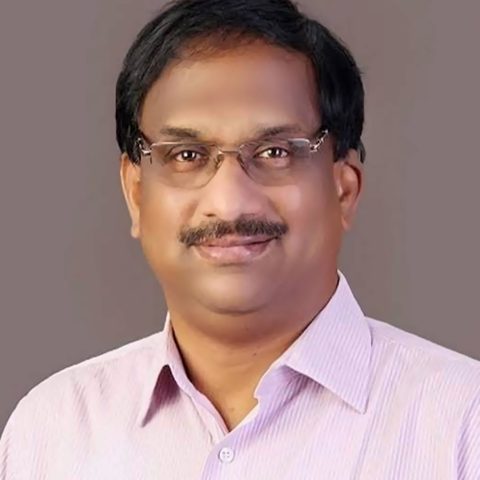
Why journalism
Why journalism
He has described journalism as a profession of constant learning. The reporter, the editor, the anchor and the teacher are the same person, still asking the next question. Eenadu
Keep exploring